

How Digital Smile Design Helps Create a Smile That Complements Your Facial Features
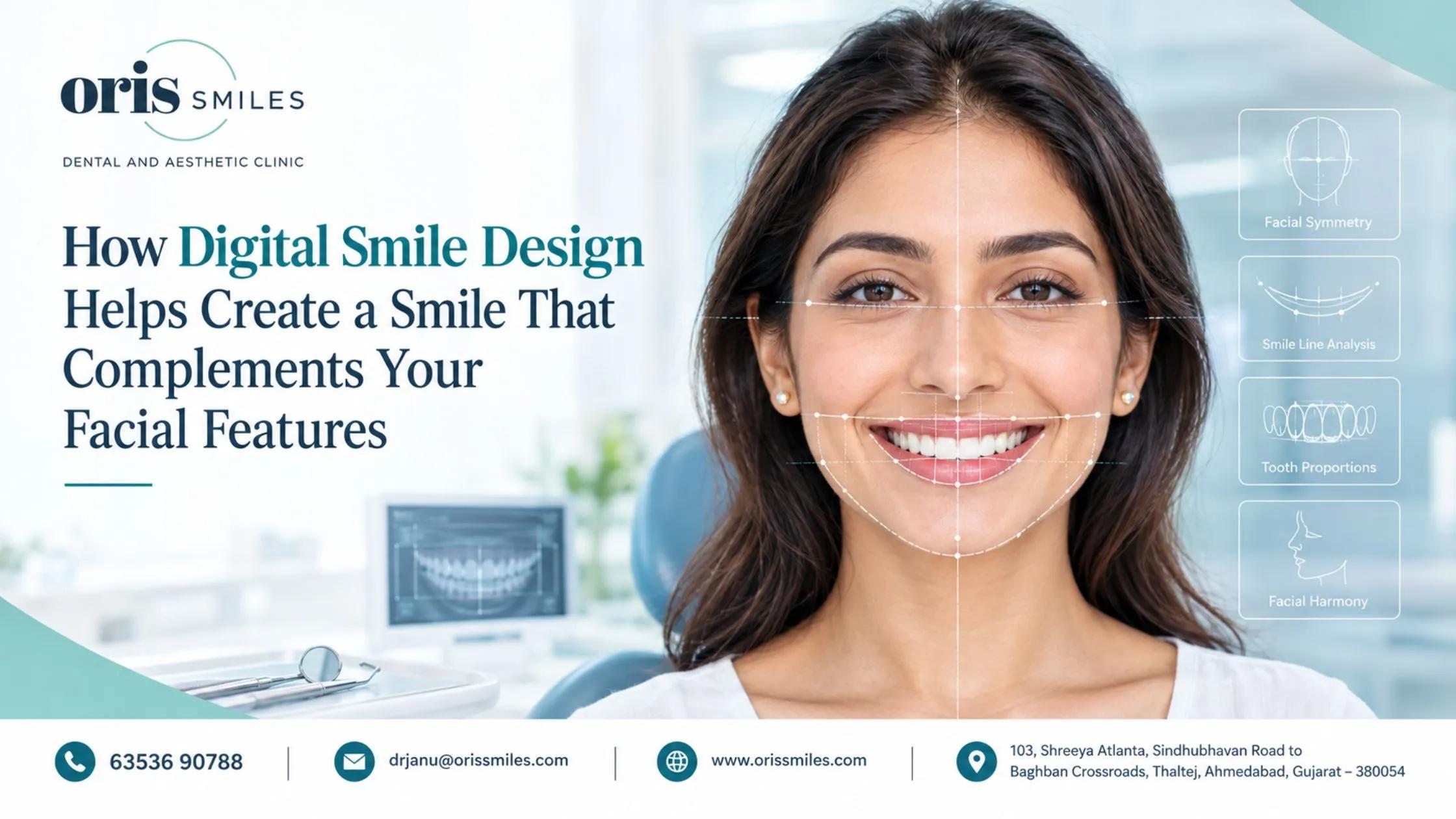
A beautiful smile is not just about having straight, white teeth. It is about creating harmony between your teeth, lips, gums, and overall facial features. Digital Smile Design is a modern approach that helps dentists plan cosmetic dental treatments by evaluating facial proportions, tooth shape, and smile appearance. Consulting a skilled Smile Design Dentist can help you understand which improvements may suit your natural appearance and personal preferences.
At Oris Smiles Dental Clinic, smile designing focuses on creating a balanced, natural-looking smile based on individual dental needs. With digital planning and personalized treatment recommendations, patients can better understand their potential smile transformation before proceeding with suitable cosmetic procedures.
What Is Digital Smile Design?
Digital Smile Design is a treatment-planning approach that uses photographs, digital images, dental scans, and other available diagnostic records to evaluate a person's smile. It helps dentists assess how the teeth relate to the lips, gums, and facial structure.
Rather than focusing only on individual teeth, this approach considers the complete smile. The dentist can evaluate tooth proportions, alignment, symmetry, and the amount of gum tissue visible when smiling.
How Digital Smile Design Works
The process generally begins with a dental consultation and an assessment of the patient's oral health. The dentist may collect facial photographs, intraoral images, digital scans, and other diagnostic information.
These records help the dentist plan potential improvements and discuss suitable treatment options. Depending on the case, recommendations may include teeth whitening, dental bonding, veneers, orthodontic treatment, gum contouring, or other cosmetic procedures.
Digital planning helps improve communication between the dentist and patient, although the final clinical outcome depends on individual anatomy, oral health, and the treatments selected.
How Digital Smile Design Complements Your Facial Features
Every person has a different facial structure, lip shape, and natural tooth appearance. A smile that looks attractive on one person may not create the same effect on another. Personalized planning helps dentists consider these differences when recommending cosmetic treatments.
1. Evaluating Facial Proportions
Facial proportions provide useful information when planning a smile makeover. Dentists may assess the relationship between the upper and lower face, the position of the lips, and the visible teeth during smiling and speaking.
These observations help guide decisions about tooth length, shape, and alignment. The goal is to create a smile that looks balanced with the patient's natural features rather than following a single beauty standard.
2. Selecting the Right Tooth Shape
Tooth shape can influence the overall appearance of a smile. Rounded edges may create a softer appearance, while more defined shapes can provide a different visual effect.
A dentist evaluates natural tooth anatomy, facial characteristics, and personal preferences before recommending changes. Digital planning can help communicate these options, but treatment decisions should always consider function and dental health.
3. Improving Tooth Colour and Brightness
Tooth colour plays an important role in smile aesthetics. Staining, discolouration, and differences in shade between teeth can affect overall appearance.
Depending on the cause of discolouration, professional teeth whitening, bonding, veneers, or other treatments may be considered. The aim is to select an appropriate shade that complements the patient's appearance while maintaining a natural-looking result.
4. Assessing Lip and Gum Balance
A harmonious smile depends on more than the teeth alone. The position of the lips and the amount of gum tissue visible when smiling can influence the final appearance.
Digital photographs and clinical examinations help dentists assess these relationships. If uneven gum levels or excessive gum visibility are concerns, the dentist can discuss whether gum treatment or another suitable option may help.
5. Considering Smile Symmetry
Symmetry can influence how a smile is perceived, but perfect symmetry is neither necessary nor realistic for everyone. Natural teeth often have small differences in shape and position.
A personalized plan considers these variations while identifying areas that may benefit from improvement. Correcting selected irregularities can help create a more balanced appearance without making the smile look artificial.
Benefits of Digital Smile Design Before Treatment
Digital smile planning offers several practical benefits for patients considering cosmetic dental treatment.
Better Understanding of Treatment Options
Digital photographs and visual planning tools can help patients understand the proposed changes. Instead of relying entirely on verbal explanations, they may be able to review visual representations or mock-ups when available.
More Personalized Treatment Planning
Each smile makeover should reflect the patient's dental condition, preferences, and expectations. Digital records help the dentist organize treatment considerations and explain the available options.
Improved Dentist-Patient Communication
Patients can discuss their preferred tooth shape, colour, and overall smile appearance before treatment begins. This creates an opportunity to ask questions and clarify expectations.
Support for Coordinated Cosmetic Procedures
Some smile transformations involve more than one procedure. Digital planning can help the dentist determine how different treatments may work together and establish an appropriate sequence based on clinical needs.
However, digital previews are planning aids rather than guarantees. Actual results may differ from simulations because of biological factors, treatment limitations, and individual healing responses.
How to Choose the Right Dentist for Digital Smile Design
Choosing the right dental professional is an important step toward a safe and satisfying smile makeover. Consider the following factors before beginning treatment.
1. Experience in Cosmetic Dentistry
Look for a dentist who has relevant experience in cosmetic procedures and smile makeover planning. Ask about their approach to cases similar to yours and whether they can explain the benefits and limitations of the proposed treatment.
2. Use of Appropriate Digital Technology
Ask which digital tools are used during the consultation and how they contribute to treatment planning. Photography, dental scans, and suitable diagnostic records can support evaluation when clinically indicated.
3. Personalized Treatment Recommendations
A suitable dentist should assess your oral health before recommending cosmetic changes. Treatment should be based on your needs rather than a standard package or unnecessary procedures.
4. Clear Explanation of Costs and Treatment Duration
Before agreeing to treatment, request information about the expected costs, number of appointments, maintenance requirements, and possible alternatives. Understanding these details helps you make an informed decision.
5. Focus on Long-Term Dental Health
A smile makeover should not compromise healthy teeth or gums. Discuss the potential risks, tooth preparation requirements, expected lifespan of restorations, and future maintenance associated with each procedure.
Digital Smile Design at Oris Smiles Dental Clinic
Oris Smiles Dental Clinic offers smile designing services for patients interested in improving the appearance of their smiles. The treatment-planning process should begin with an assessment of oral health, existing dental concerns, and the patient's aesthetic goals.
Patients exploring a Smile Design Dentist in Ahmedabad can discuss their concerns, review appropriate treatment possibilities, and understand which procedures may be suitable for their individual circumstances.
Depending on the clinical assessment, a smile makeover may involve teeth whitening, bonding, veneers, crowns, alignment correction, or a combination of treatments. Not every patient requires every procedure, and the final recommendation should be based on dental health and professional evaluation.
For more information about the available services, visit the Oris Smiles Dental Clinic.
Who Can Benefit From Digital Smile Design?
Digital smile planning may be helpful for adults who want to address aesthetic concerns such as uneven tooth shapes, visible gaps, discolouration, minor alignment issues, or an unbalanced smile.
It may also benefit people considering multiple cosmetic procedures who want to understand how the treatments could work together.
However, patients with untreated tooth decay, gum disease, or other oral health concerns may need appropriate treatment before cosmetic procedures. A dental consultation is necessary to determine suitability and establish realistic expectations.
Frequently Asked Questions About Digital Smile Design
1. Is Digital Smile Design Suitable for Everyone?
Digital Smile Design may benefit many patients interested in cosmetic dental improvements. Suitability depends on oral health, treatment goals, and the diagnostic methods available. A dentist can determine whether digital planning is appropriate for your case.
2. Can I See My New Smile Before Treatment?
Depending on the clinic's technology and workflow, your dentist may provide digital simulations, photographs, or physical mock-ups to help you understand the proposed changes. These previews are estimates and cannot guarantee the exact final result.
3. Which Treatments Can Be Included in a Smile Makeover?
A smile makeover may involve professional teeth whitening, dental bonding, veneers, crowns, orthodontic treatment, or gum contouring. The recommended combination depends on the patient's needs and the condition of the teeth and gums.
4. Does Digital Smile Design Make Cosmetic Treatment Permanent?
No. Digital Smile Design is a planning approach, not a permanent treatment by itself. The longevity of the final result depends on the procedures performed, oral hygiene, lifestyle habits, and regular dental care.
5. How Do I Choose the Best Dentist for a Smile Makeover?
Consider the dentist's relevant experience, treatment-planning approach, communication, and commitment to preserving oral health. Ask about expected outcomes, risks, costs, and maintenance before making a decision.
6. How Can I Book a Smile Designing Consultation in Ahmedabad?
You can contact Oris Smiles Dental Clinic through its official website to enquire about smile designing services. During your consultation, discuss your concerns and expectations so the dental team can assess suitable options.
Conclusion
Digital Smile Design helps dentists plan cosmetic improvements by considering facial proportions, tooth shape, colour, lip position, and gum visibility. It supports clearer communication and more personalized treatment planning while helping patients develop realistic expectations about their smile makeover.
If you are considering a smile transformation, consult Oris Smiles Dental Clinic to discuss your goals and explore appropriate options. A consultation with an experienced Smile Design Dentist can help you understand how to achieve a natural-looking smile while prioritizing long-term dental health.